The AI economy is entering a phase where infrastructure scale is becoming almost difficult to comprehend.
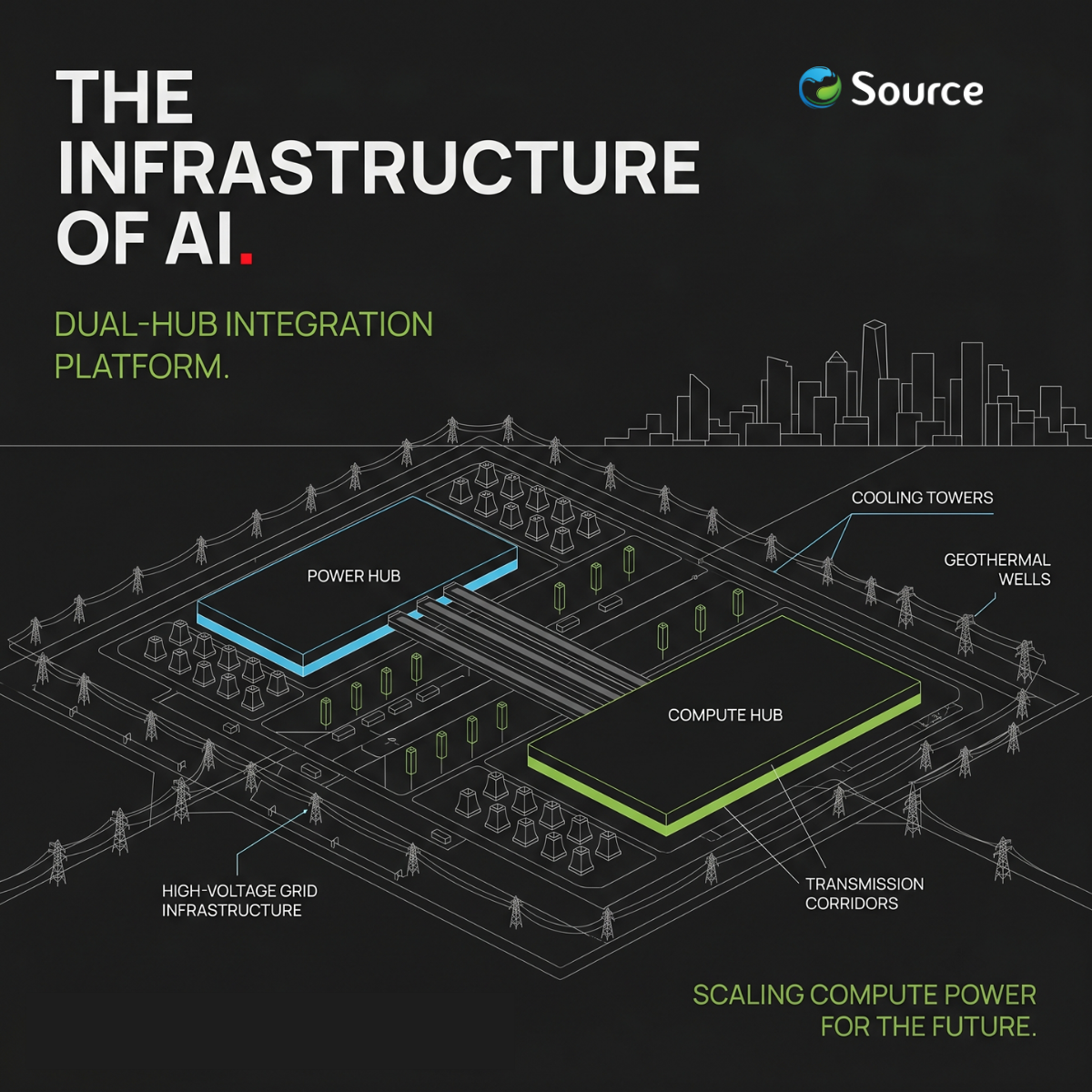
Projects like NorthGate’s proposed integrated AI campus model signal a dramatic shift away from traditional data centre development toward something far larger: utility-scale compute ecosystems designed as national infrastructure assets.
The numbers alone tell the story.
Proposed NorthGate Platform Metrics
- 2 integrated Power + Compute campuses
- 32 high-density compute facilities per campus
- 64 total compute facilities
- 20+ gigawatts (GW) of projected power capacity
- 26+ million horsepower equivalent energy scale
- 5.12 million square feet of AI-ready infrastructure
- 1,792 QUC⁴ HDi AI clusters
- 3.248 YottaFLOPs of projected compute deployment
- 314 trillion tokens per second projected inference throughput
To put this into perspective:
- A single gigawatt can power roughly 750,000 homes
- 20 GW approaches the scale of a small nation’s electrical demand
- YottaFLOP-scale infrastructure moves beyond hyperscale and into sovereign-level compute territory
But the most important shift is philosophical.
Traditional data centres were built around server racks and constrained by available grid power.
Next-generation AI campuses are increasingly being designed as integrated systems where:
- Energy infrastructure
- Cooling systems
- Compute density
- Grid orchestration
- AI inference throughput
- Capital deployment
…are all engineered together from day one.
Why This Matters
AI is rapidly transitioning from a software business into an infrastructure business.
Future economic competitiveness may depend on:
- Access to large-scale compute
- Stable baseload power
- Cooling capacity
- Grid resilience
- Sovereign AI capabilities
- Energy security
The scale of projected economics is equally staggering.
Indicative Economic Throughput Projections
- AI Training Revenue: $260B–$620B annually
- Inference Revenue: $420B–$1.15T annually
- Tokenized Compute Layers: $180B–$540B annually
- Total Projected Economic Throughput: $860B–$2.31T+ annually
Whether every projection materializes remains to be seen.
But one thing is already clear:
The race for AI dominance is no longer just about models.
It is about who can build the infrastructure capable of powering them.