As global energy systems pivot toward sustainable and resilient solutions, the geothermal borehole field market has emerged as a critical infrastructure segment — underpinning widespread deployment of ground-source heat and deep thermal energy systems across residential, commercial, and industrial applications. Driven by a confluence of technological, environmental, and policy trends, the sector is poised for substantial expansion through 2033, reflecting geothermal’s strategic value in decarbonization and baseload energy reliability.
According to recent market research, the global geothermal borehole field market — valued at approximately $4.7 billion in 2024 — is forecast to more than double over the next decade, reaching $10.2 billion by 2033 at an 8.9 % compound annual growth rate (CAGR). This trajectory underscores the increasing deployment of engineered borehole systems designed to access and distribute Earth’s subterranean heat for heating, cooling, and power generation.
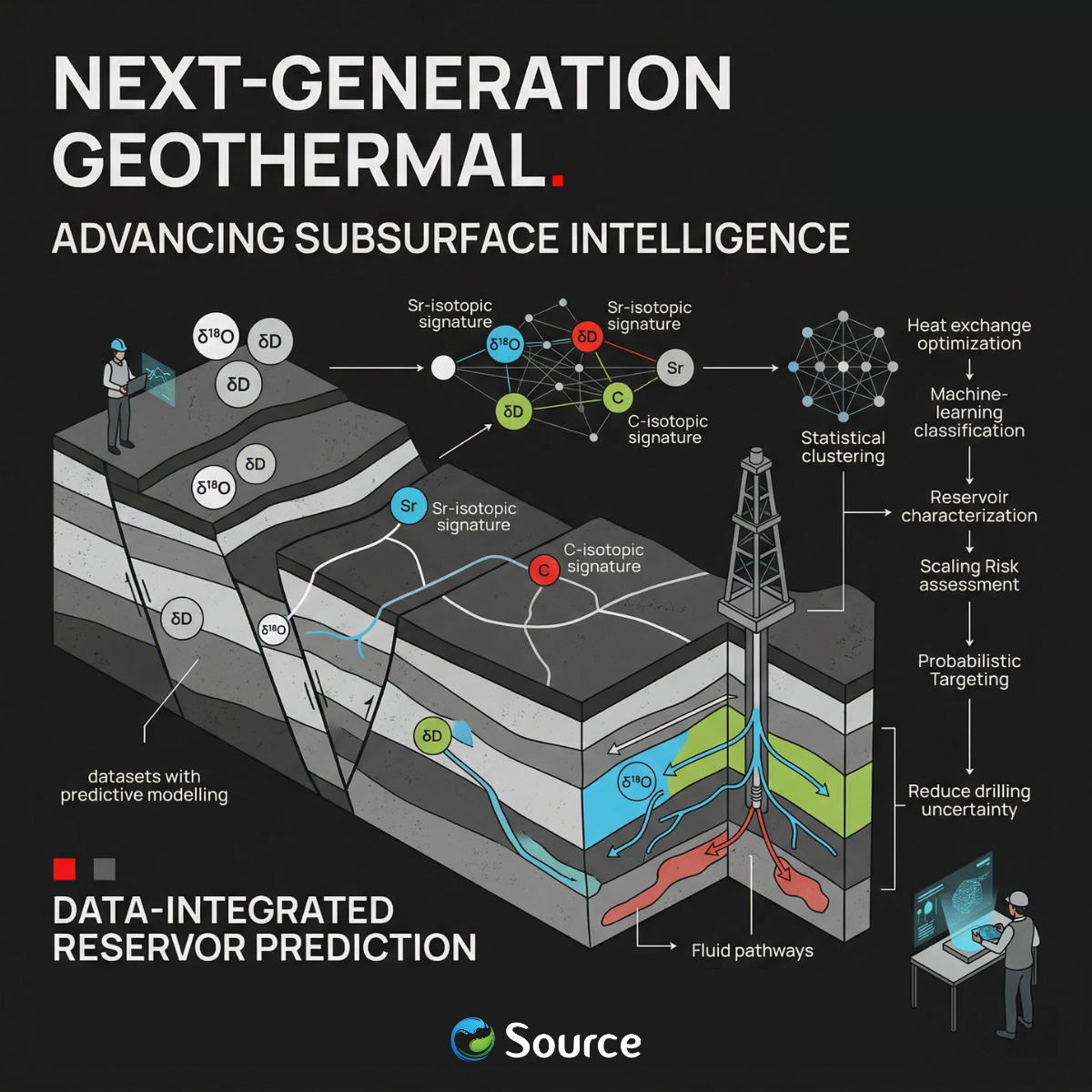
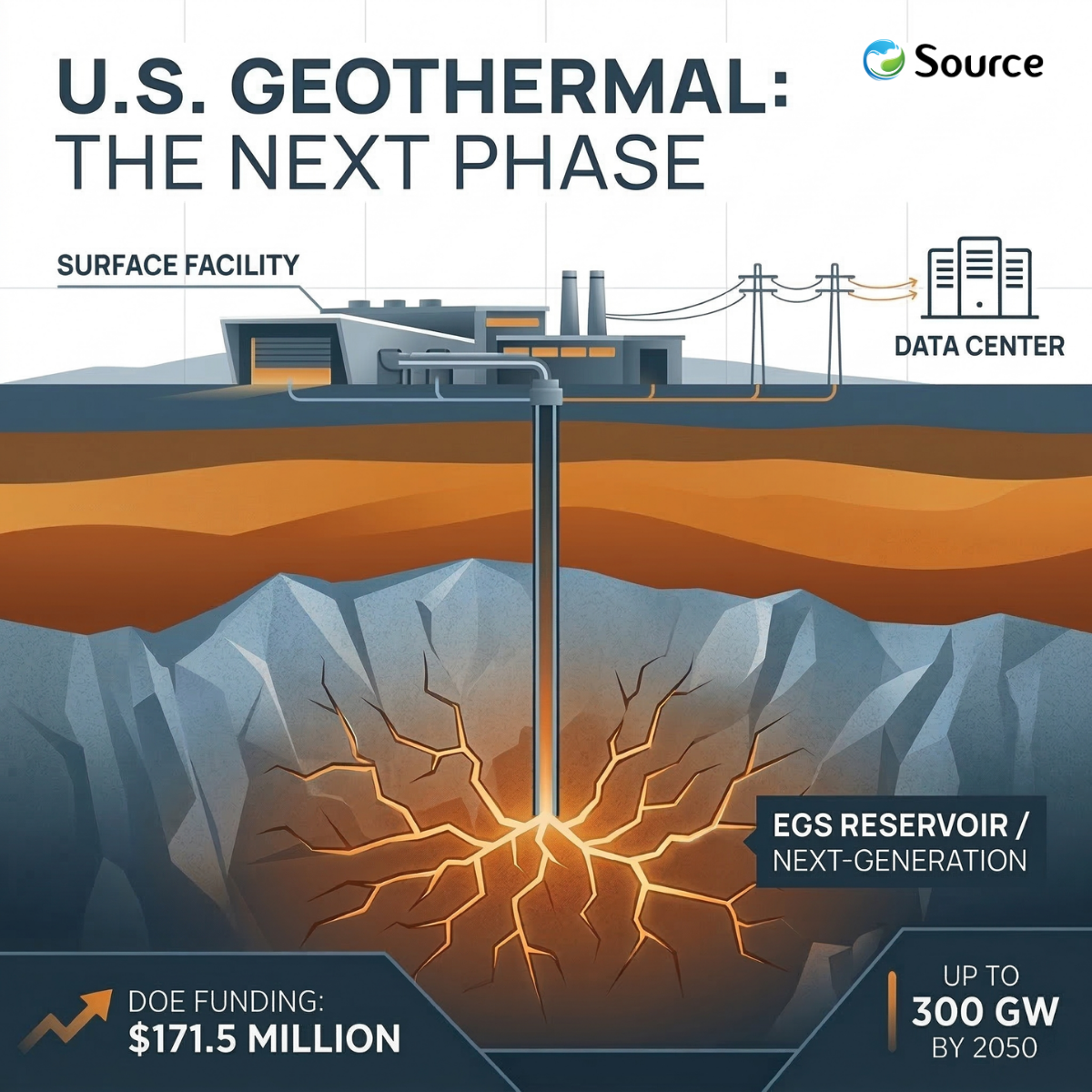
At its core, a geothermal borehole field consists of strategically drilled wells that facilitate the transfer of thermal energy between the subsurface and surface systems. These boreholes enable ground-source heat pumps and direct geothermal exchange systems to harness the Earth’s relatively stable underground temperatures — a reliable baseload thermal resource unaffected by surface weather variability or fuel price volatility. As energy markets confront climate imperatives and grid resilience challenges, this inherent stability has made geothermal borehole fields an attractive complement to solar and wind energies.
Technological momentum is a key driver of market expansion. Advancements in drilling techniques, enhanced heat exchange materials, and closed-loop system optimizations are reducing lifecycle costs and improving return on investment for end users. These innovations — from directional drilling to integrated monitoring — are expanding the viable footprint for geothermal installations, even in regions historically considered marginal for geothermal deployment.
Policy frameworks and environmental mandates are also accelerating uptake. Governments worldwide are incorporating geothermal solutions into net-zero energy strategies, offering incentives, tax credits, and subsidies that lower barriers to adoption. In urban environments, geothermal borehole fields are increasingly integrated into district heating and cooling networks, replacing high-emission systems with low-carbon alternatives.
Sectoral diversification enhances market resilience. In addition to traditional heating and cooling, geothermal borehole infrastructure supports industrial process heat, agricultural greenhouse climate control, and data center thermal management — areas where consistent, high-efficiency thermal energy is economically transformative. As these applications proliferate, market entrants and legacy energy players alike are expanding portfolios to capture the emerging demand.
From a regional perspective, Europe currently leads adoption thanks to mature renewable energy policies and high energy prices, while Asia-Pacific represents the fastest-growing market, propelled by rapid urbanization and infrastructure investment. North America remains a major contributor, buoyed by federal and state incentives for clean energy projects.
For Source Geothermal, this market momentum signifies a pivotal era in the deployment of borehole field technologies — not merely as auxiliary systems, but as foundational elements of resilient, low-carbon energy ecosystems globally. As investment continues to scale, geothermal borehole fields will play an increasingly central role in navigating the transition to sustainable energy futures.
Article: Geothermal Borehole Field Market to reach $10.2 billion by 2033, TimesTech (Dec 30, 2025). TimesTech
#SourceGeothermal #GeothermalEnergy #CleanTech #BoreholeFields #EnergyTransition #Decarbonization #Renewables