For years, discussions about the energy transition have often framed the future as a competition between traditional energy sources and emerging technologies.
The reality is likely to be much different.
Natural gas is increasingly being recognized as a long-term component of the global energy system, particularly in regions experiencing rapid industrial growth, urbanization, and rising electricity demand. Many forecasts now suggest that natural gas will remain a significant part of the global energy mix for decades to come.
At the same time, governments and industry are searching for ways to improve energy security, reduce emissions, and support growing demand from sectors such as manufacturing, artificial intelligence, and data centres.
This is where geothermal enters the conversation.
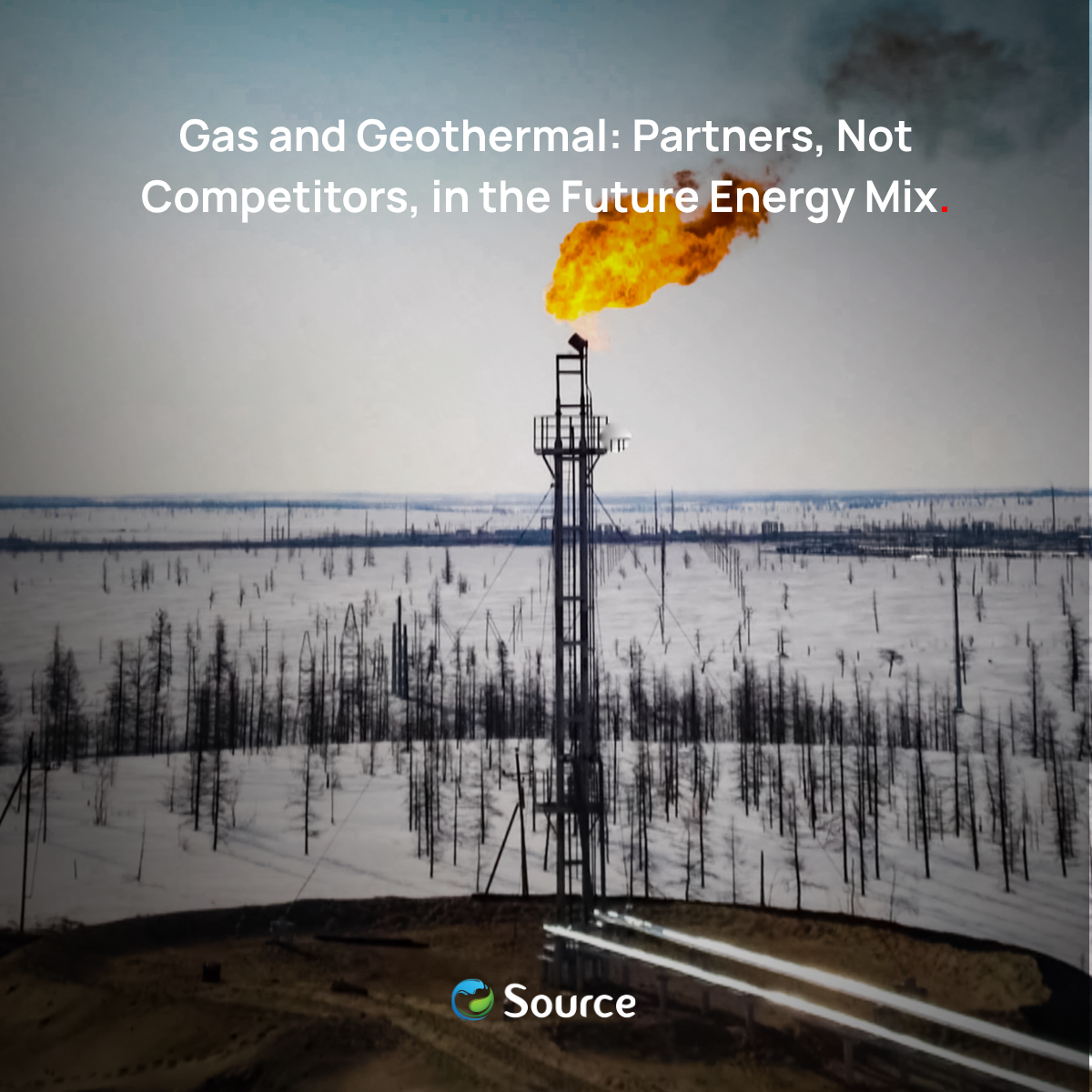
Rather than competing directly with natural gas, geothermal has the potential to complement existing gas infrastructure in ways that strengthen overall system performance. Natural gas provides flexibility, scalability, and established infrastructure. Geothermal offers reliable baseload energy, thermal resources, and opportunities to reduce fuel consumption in specific applications.
For data centres, industrial facilities, and large-scale developments, the opportunity may lie in hybrid energy systems that combine the strengths of both resources.
In many cases, geothermal can provide heating, cooling, or thermal management while natural gas supports peak demand and operational flexibility. Together, these solutions can improve efficiency, enhance reliability, and reduce overall emissions intensity without compromising energy security.
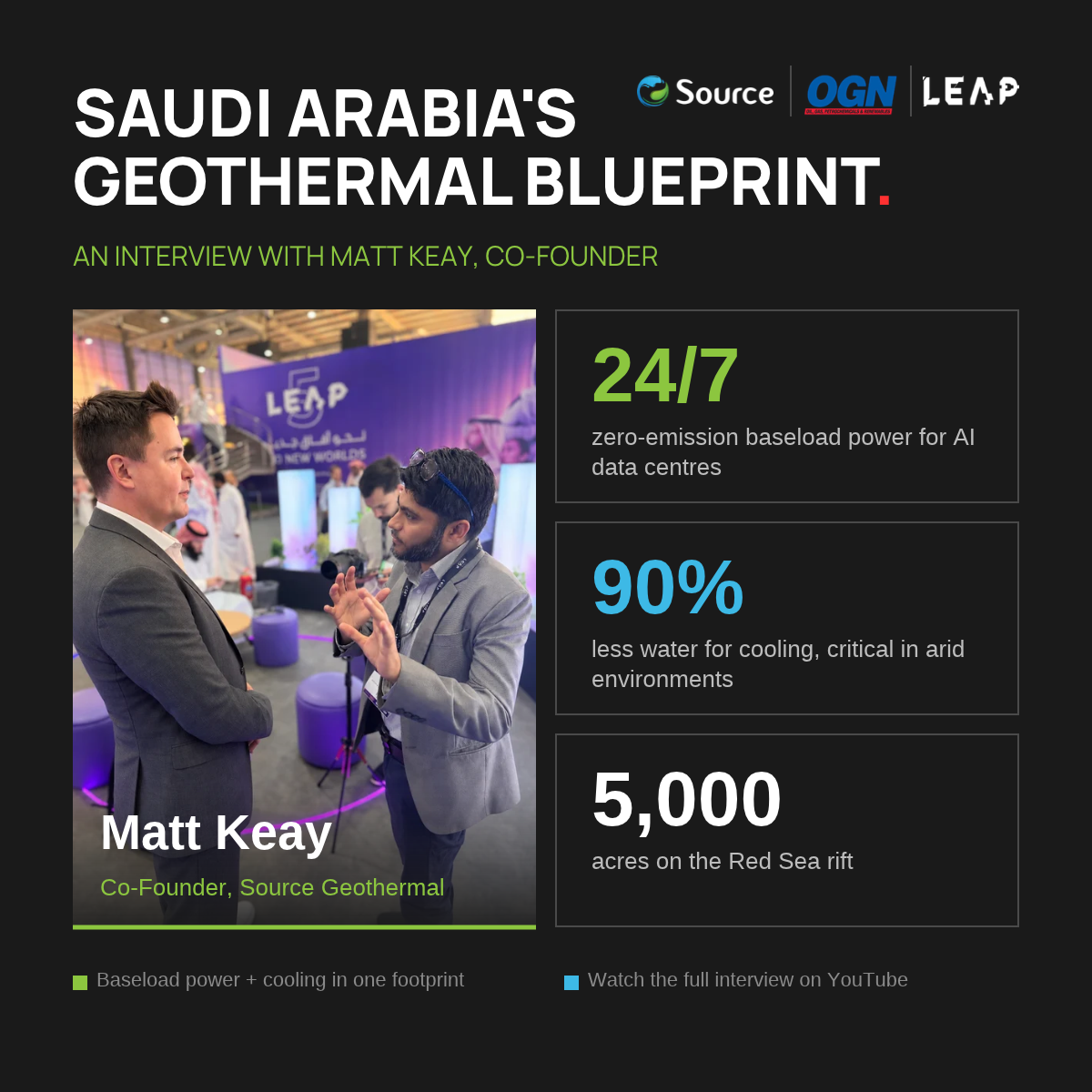
This approach is particularly relevant in regions such as the Middle East, where economic growth, digital infrastructure expansion, and industrial development are driving significant increases in energy demand.
The future energy system will not be built around a single technology.
It will be built around integrated solutions that leverage the strengths of multiple energy sources working together.
The energy transition is not about choosing winners and losers.
It is about creating resilient energy systems capable of delivering affordable, reliable, and lower-carbon energy at scale.
Gas and geothermal each have a role to play. The greatest opportunity may come when they work together.