For years, geothermal energy was viewed as a niche technology — powerful, but limited to rare volcanic regions with ideal underground conditions. That assumption is now collapsing.
A wave of breakthroughs in drilling technology, reservoir engineering, and subsurface analytics is transforming geothermal from a location-specific resource into a scalable global energy solution. What was once considered experimental is rapidly becoming one of the most important infrastructure opportunities of the next decade.
The turning point has come from an unexpected place: the oil and gas industry.
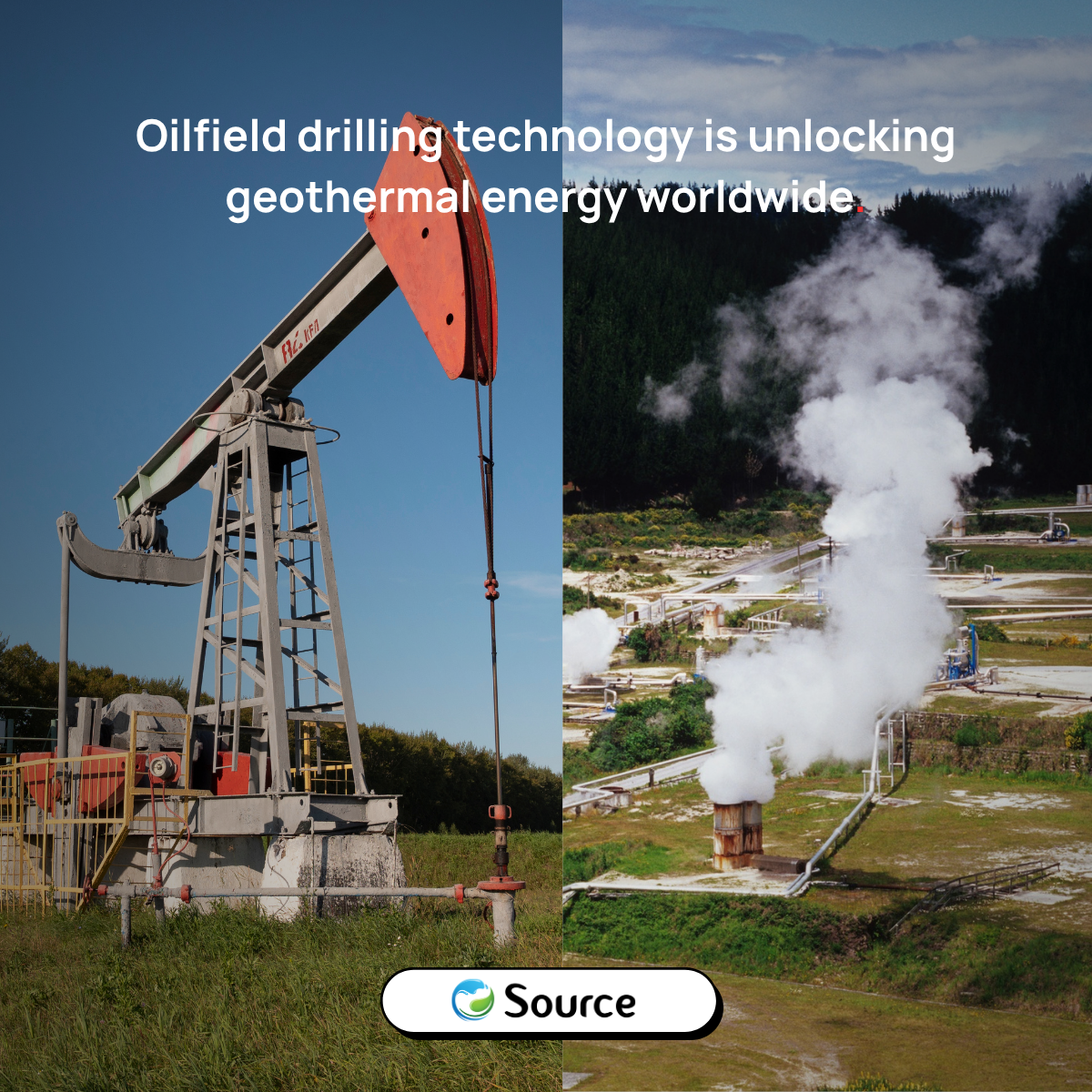
Technologies originally developed for shale production — including horizontal drilling, advanced drill bits, and precision subsurface mapping — are now being adapted to access geothermal heat in regions previously thought impossible for commercial development. Companies pioneering enhanced geothermal systems are proving that engineered underground reservoirs can produce reliable, around-the-clock clean energy far beyond traditional geothermal zones.
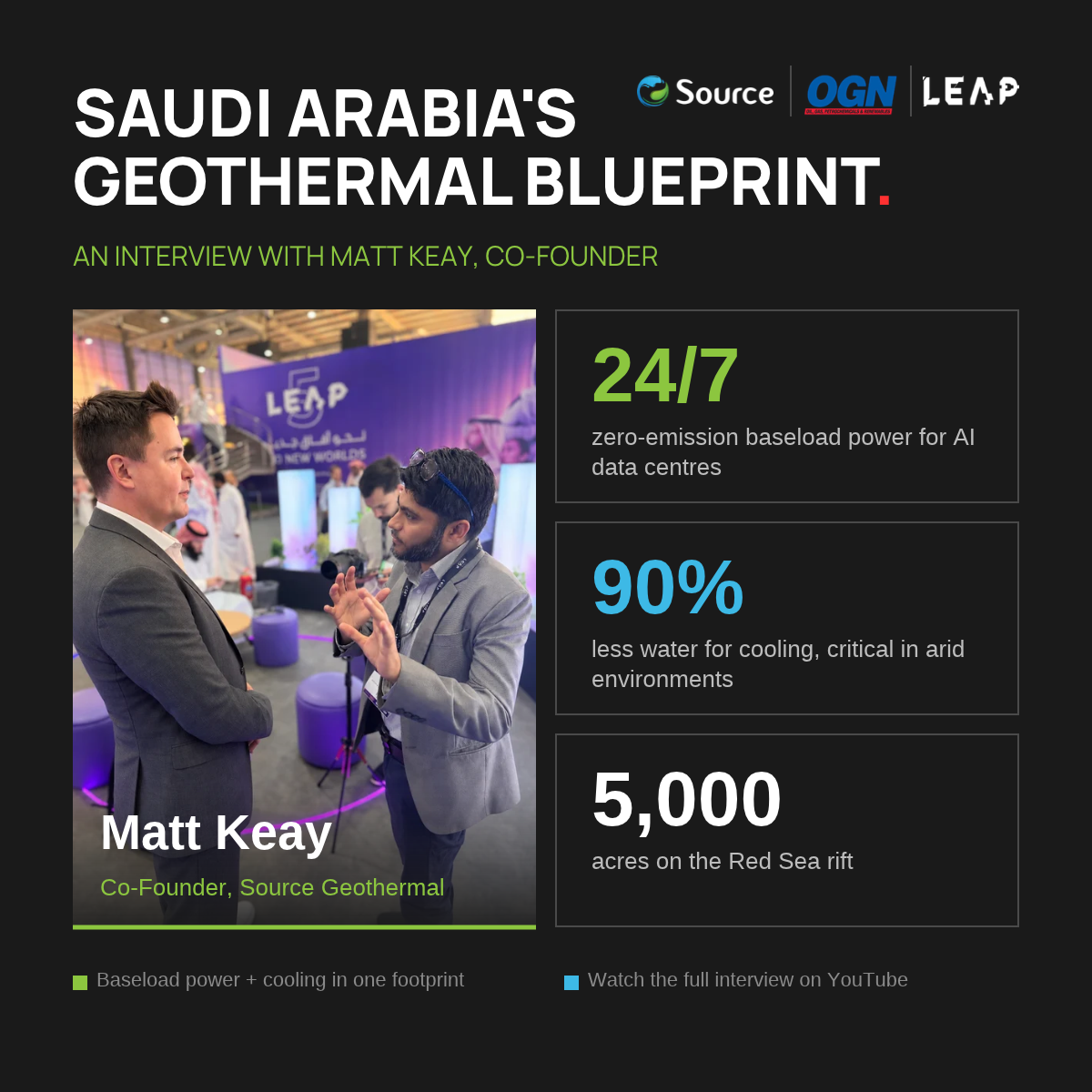
Unlike solar and wind, geothermal offers something the modern economy desperately needs: constant baseload power. It operates 24/7, independent of weather conditions, with minimal land footprint and virtually zero operational emissions. That reliability is attracting growing interest from hyperscalers, AI infrastructure developers, utilities, and industrial operators seeking stable long-term power sources.
Even more important is the emerging learning curve.
Recent projects have demonstrated dramatic reductions in drilling times and operational costs, suggesting geothermal may be entering the same kind of rapid cost decline that transformed solar energy over the last two decades.
For regions like the Middle East, North America, and parts of Europe, this could fundamentally reshape energy and cooling infrastructure. Geothermal is no longer just a renewable energy story.
It is becoming an infrastructure story — one tied directly to AI, data centres, industrial growth, energy security, and the future of sovereign compute.