For most of the last century, energy infrastructure was relatively straightforward. Produce energy in one location, transport it to another, and deliver it to consumers.
The future will look very different.
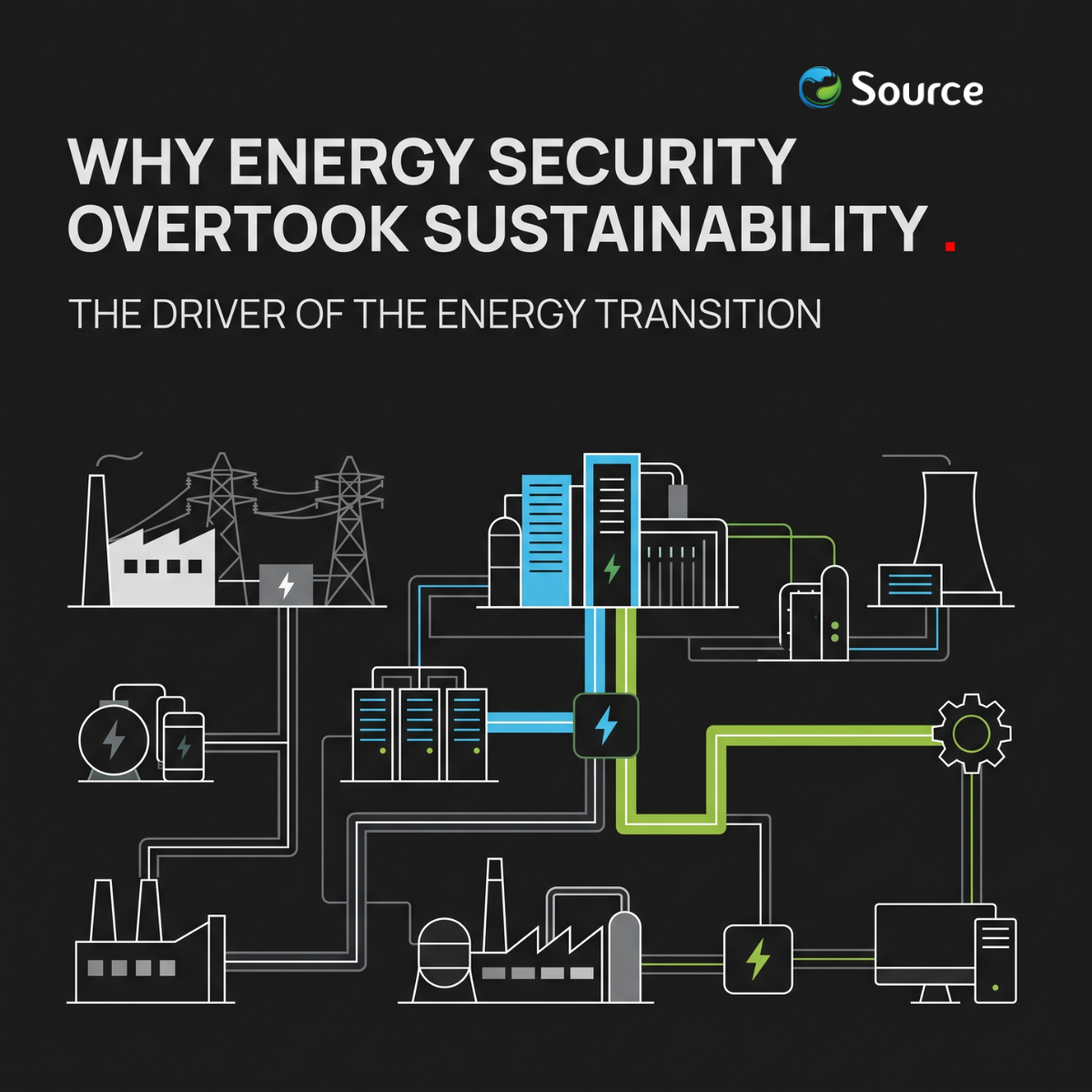
The next generation of energy systems will not be defined by individual power plants, pipelines, or transmission lines. Instead, they will be built around integrated energy corridors that connect power generation, industrial facilities, data centres, transportation networks, carbon management systems, and digital infrastructure into a single ecosystem.
We are already seeing the early stages of this transformation.
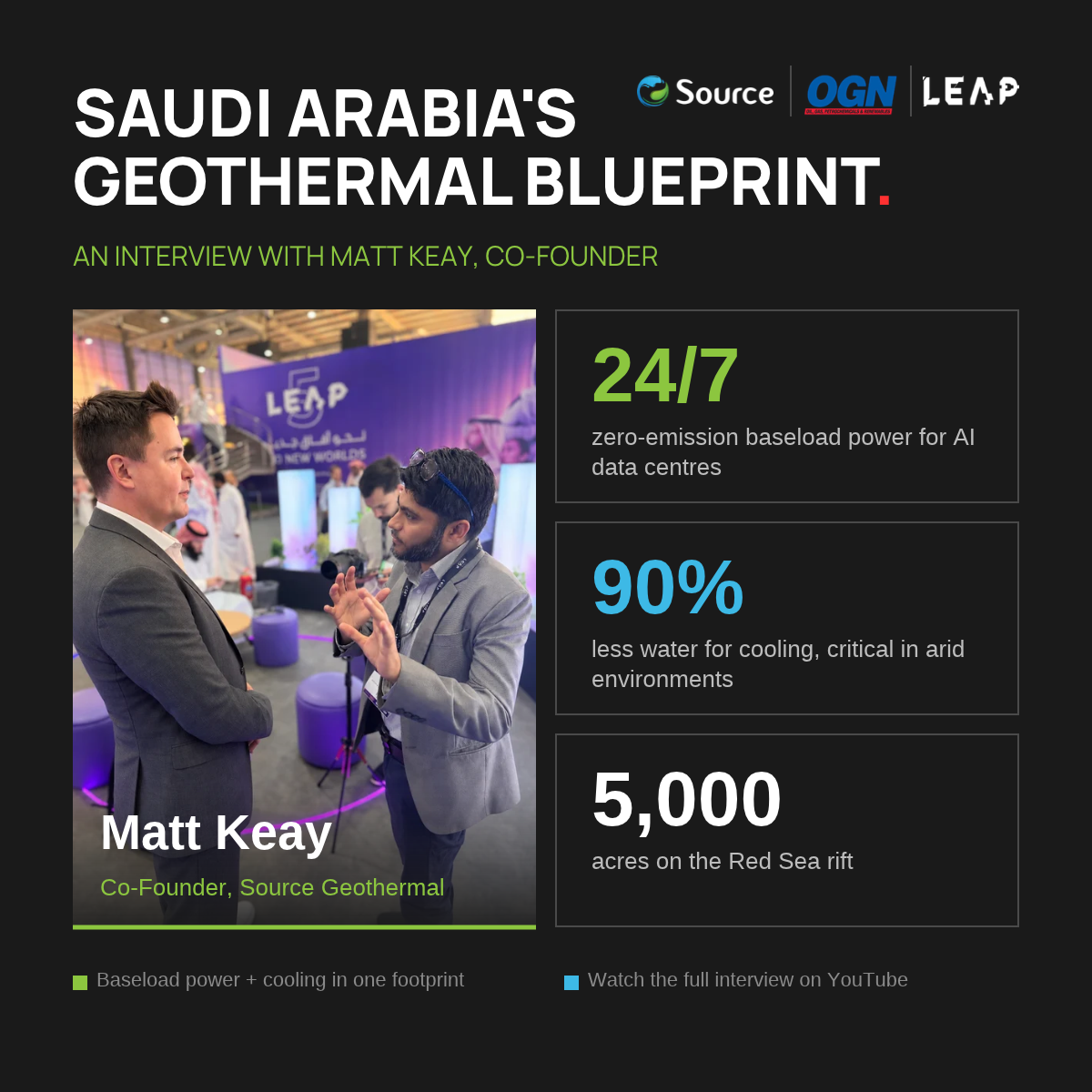
Across the Middle East, governments are developing large-scale economic zones designed to attract industry, manufacturing, artificial intelligence, and technology investment. These developments require more than electricity. They require integrated infrastructure capable of delivering reliable energy, cooling, water management, connectivity, and long-term scalability.
Data centres provide a good example.
The conversation often begins with power requirements, but successful data centre development depends on much more than access to electricity. Cooling, water availability, land use, transmission infrastructure, fiber connectivity, and energy security all play critical roles in determining where digital infrastructure can be built and operated competitively.
This is why energy corridors are becoming increasingly important.
Rather than developing standalone assets, forward-looking organizations are creating interconnected systems where multiple infrastructure components work together to reduce costs, improve reliability, and attract investment.
Geothermal energy has the potential to become a foundational layer within these corridors. Beyond power generation, geothermal resources can support industrial processes, district energy systems, thermal storage, and highly efficient cooling for large-scale data centres.
The regions that succeed in attracting the next wave of industrial and digital investment will not simply produce energy. They will create complete infrastructure ecosystems that enable economic growth.
The future of energy is not a collection of isolated projects.
It is a network of interconnected systems designed to move power, data, molecules, and capital efficiently across entire regions.
The next energy superpowers will build corridors, not just power plants.