A recent LinkedIn post sparked a wide-ranging and thoughtful discussion around a question that often confuses even experienced observers of the energy sector: how can the United States be one of the world’s largest oil producers and still import millions of barrels of crude every day?
On the surface, the numbers appear contradictory. But as many contributors in the discussion noted, the explanation has far less to do with policy inconsistency or market failure than with how energy systems are actually built and maintained.
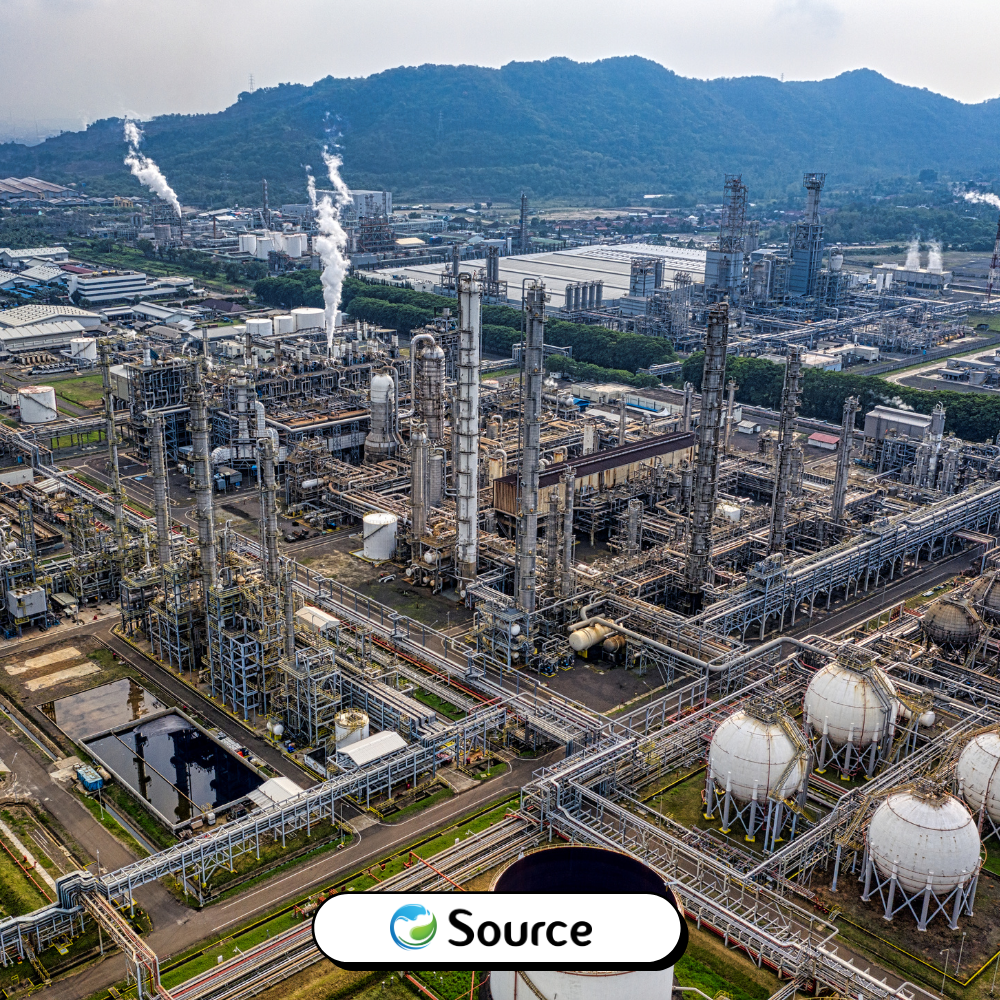
Most U.S. refineries were designed decades ago to process specific crude slates — often heavier, higher-sulfur oils historically sourced from regions such as Venezuela or the Middle East. The rapid rise of domestic shale production has shifted the supply mix toward lighter crudes, which are not always compatible with existing refinery configurations. Re-engineering these facilities is not a simple operational decision. It requires years of design work, billions of dollars in capital expenditure, regulatory approvals, and the acceptance of significant operational risk.
As several commenters pointed out, energy infrastructure does not optimize for theoretical efficiency. It optimizes for continuity, reliability, and risk minimization. Refineries, pipelines, ports, and power systems form tightly coupled networks built to avoid disruption. From that perspective, importing crude that better fits existing assets — even while producing large volumes domestically — is not illogical at all.
The discussion also expanded into geopolitics, refinery economics, energy security, and the limits of rapid transformation. While viewpoints differed, there was strong agreement on one underlying reality: legacy infrastructure exerts an enormous influence over how energy markets behave. Once this is understood, many decisions that appear irrational in isolation begin to make sense.
This insight is especially relevant as the global energy transition accelerates.
Transitions are not achieved by tearing down systems overnight, but by evolving them responsibly. Technologies that align with existing infrastructure — offering baseload reliability, long asset lifespans, and low operational risk — are far more likely to scale.
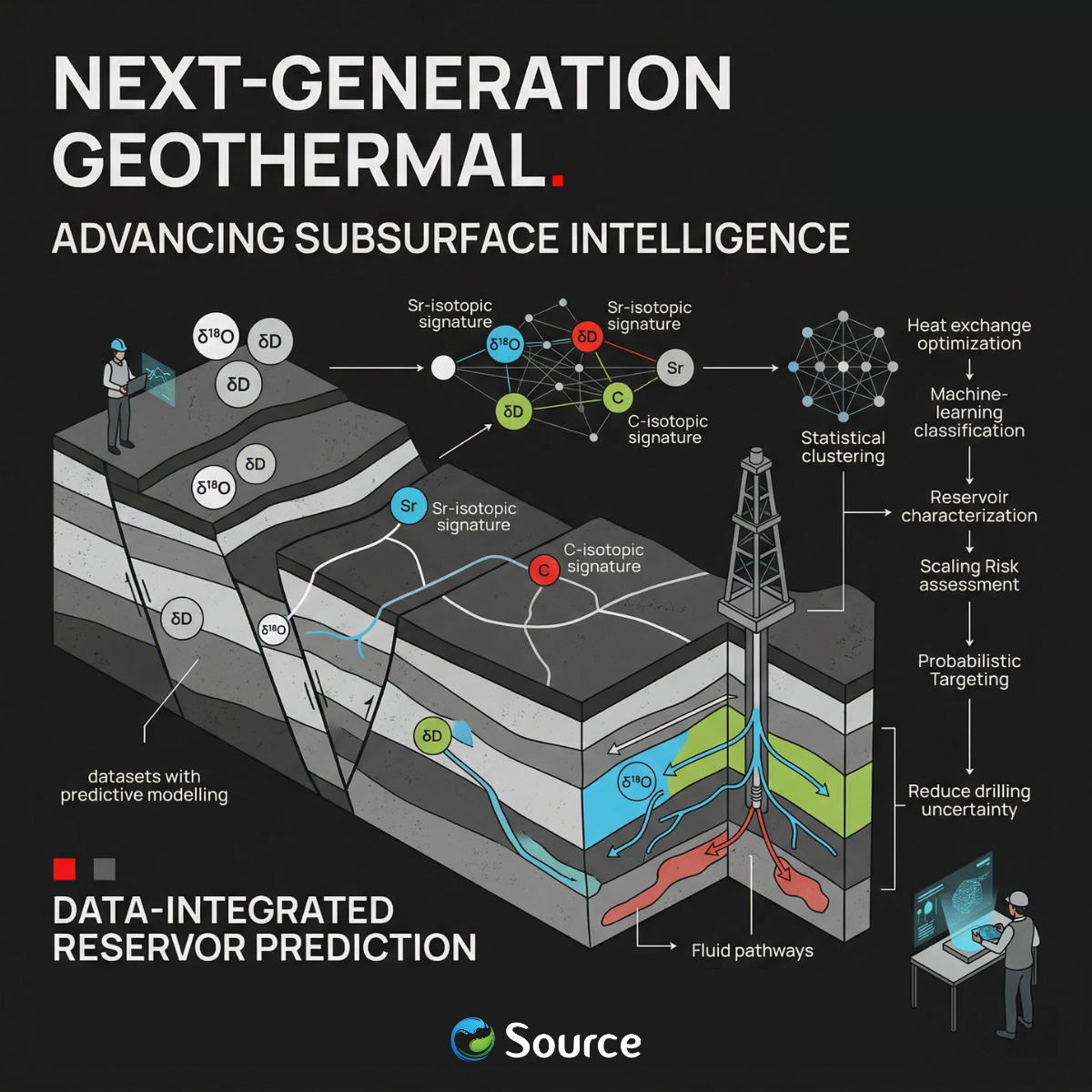
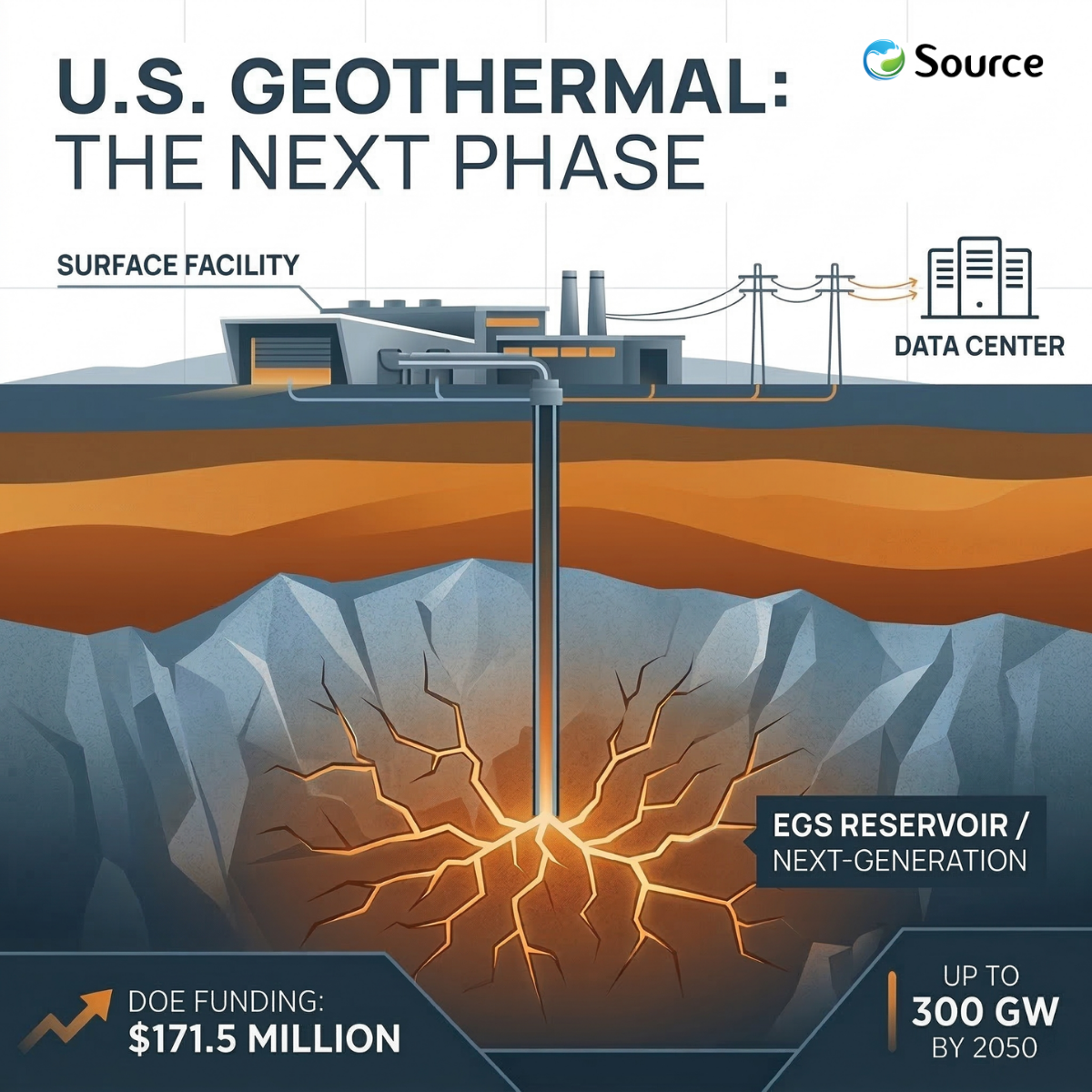
Geothermal energy fits squarely within this framework. Unlike intermittent resources, geothermal provides firm, always-on power and heat that integrates naturally into grids, district heating networks, and industrial energy systems. It complements legacy infrastructure rather than competing with it, offering a practical pathway to decarbonization without sacrificing system stability.
The lesson is clear: successful energy transitions respect the realities of infrastructure. When solutions work with the system instead of against it, progress becomes not only possible, but durable.
With thanks to the original post and the many insightful commenters who contributed technical, geopolitical, and systems-level perspectives to the discussion.
Original LinkedIn discussion here.
#SourceGeothermal #EnergyTransition #Geothermal #EnergySystems #Infrastructure #BaseloadPower #Decarbonization #CleanEnergy