
In a period marked by rapid advancements in geothermal science and planetary exploration, recent research has reaffirmed the central role of subterranean heat as a foundational energy resource — not only for Earth’s transition to sustainable power, but also for potential human expansion to Mars. As global energy systems confront climate imperatives and consider off-world habitation, scientific findings shed new light on the breadth and depth of geothermal energy’s promise.
On Mars, traditional views of a dormant, “dead planet” are being rewritten. Data from NASA missions, including seismic measurements near the Cerberus Fossae region, reveal that the Red Planet maintains residual internal heat, a remnant of its formative processes and volcanic history. This geothermal activity, albeit lower in average heat flux compared with Earth, suggests exploitable thermal gradients in ancient volcanic terrains — promising continuous baseload energy critical for long-term human colonies beyond reliance on solar arrays and nuclear modules alone.
The limitations of solar power on Mars are profound. Extended nights lasting over 24 Earth hours and pervasive dust storms can cripple photovoltaic systems, as demonstrated by robotic missions prematurely losing power due to accumulated dust on panels. By contrast, geothermal energy is inherently independent of surface weather and atmospheric opacity, offering an uninterrupted heat source that could drive electricity generation and habitat heating.
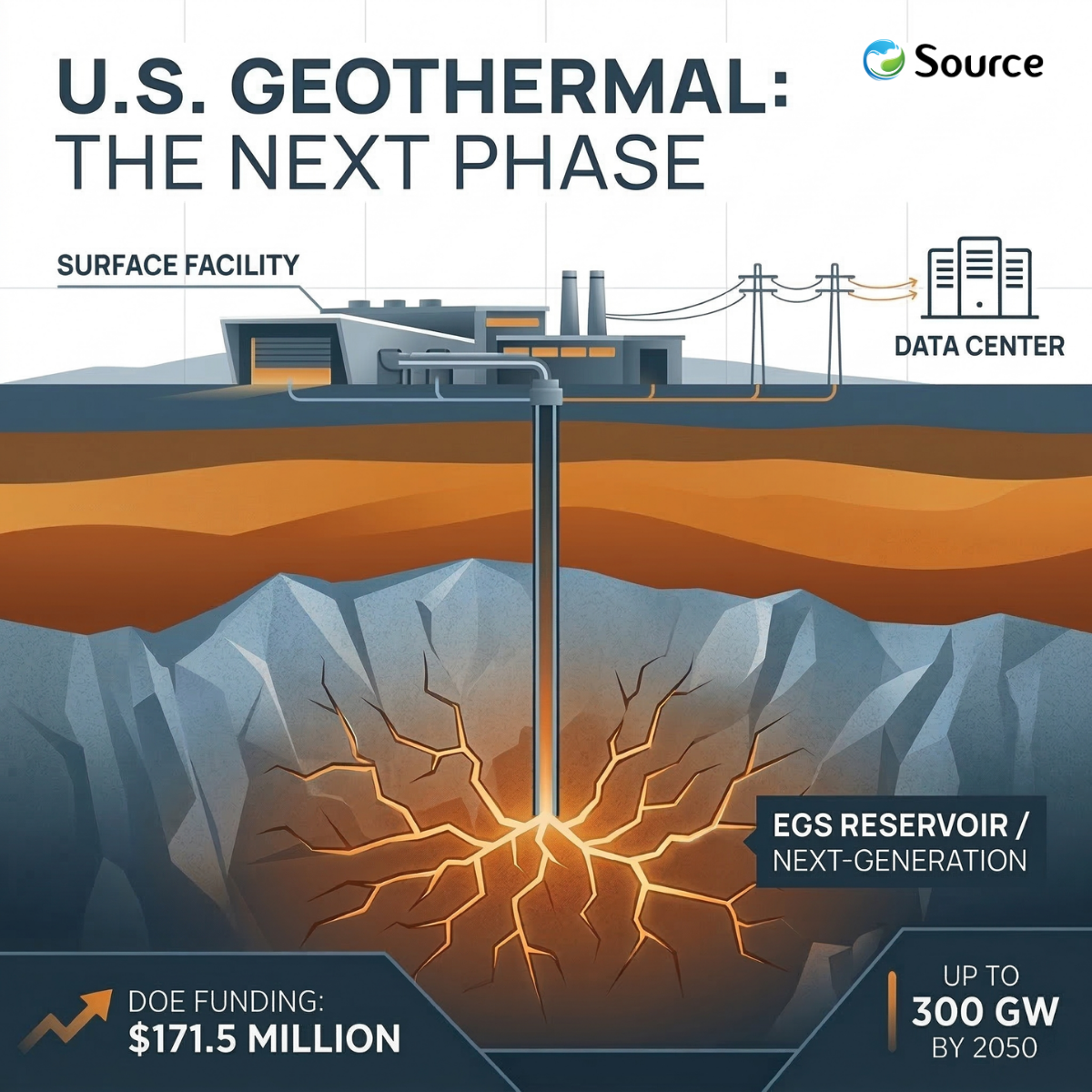
Complementing this Martian perspective, discoveries reported in terrestrial research highlight vast underground energy reservoirs whose scale and intensity defy prior expectations. Scientific analysis suggests that beneath planetary crusts — Earth’s as well as Mars’s — superheated geothermal formations exist that could feasibly support large-scale power generation. On Mars, such geothermal hotspots could be accessed with drilling and fluid injection systems to harness steam for turbines, while on Earth, similar reservoirs are being targeted to diversify clean energy portfolios and decarbonize grids.
Critically, the Martian case illustrates the necessity of integrating diverse energy sources. Wind energy, though challenged by the Red Planet’s thin atmosphere, and nuclear fission, which offers reliable output yet complex deployment logistics, will likely form part of hybrid systems alongside geothermal solutions. Together, these technologies enable resilient, self-sustaining energy infrastructures both on Earth and in future interplanetary settlements.
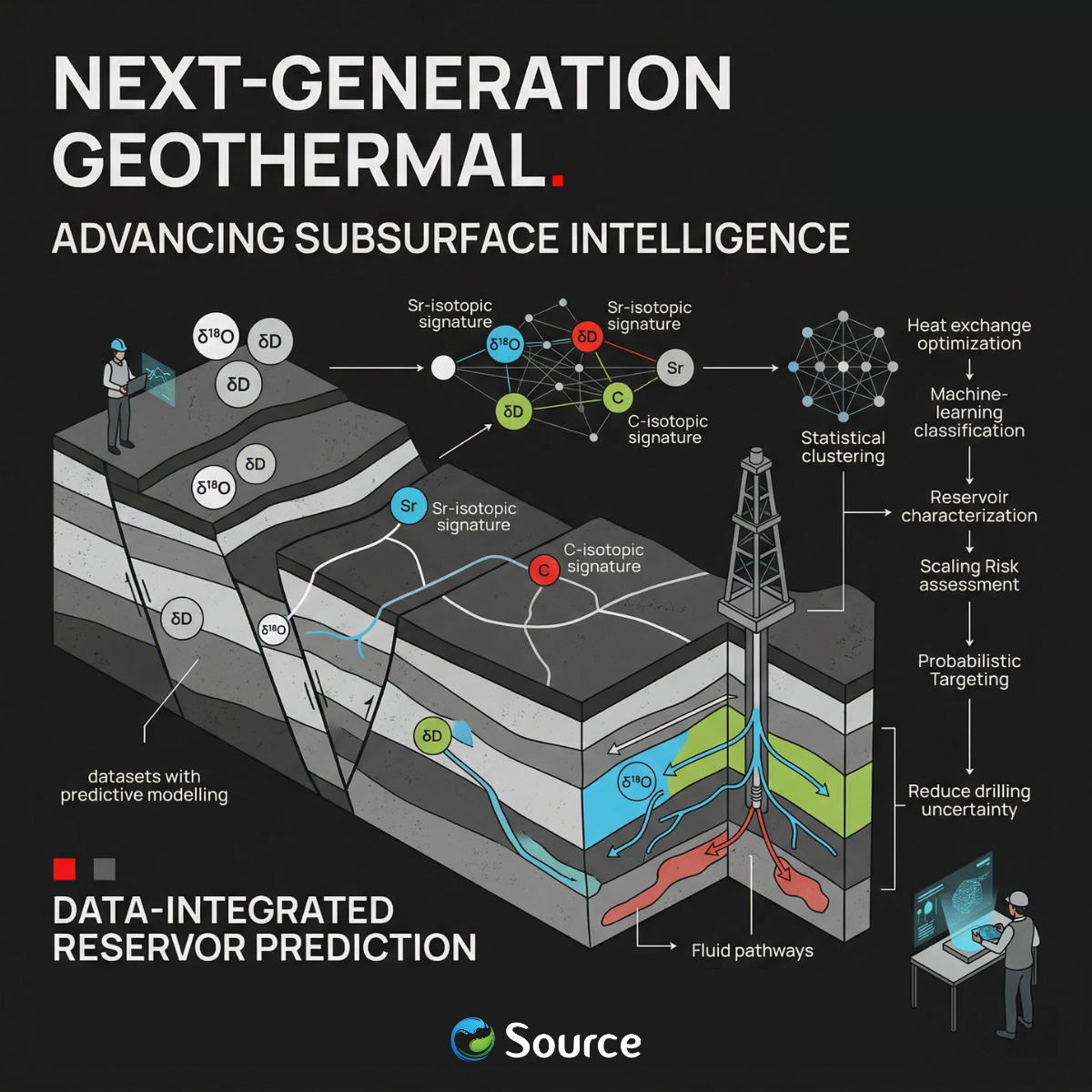
For Source Geothermal, these developments reinforce the strategic imperative to advance geothermal exploration, drilling technologies, and systems that can unlock deep heat across planetary contexts. From powering Earth’s clean-energy transition to laying the energy foundation for humanity’s next frontier — geothermal remains central to scientific and engineering progress.
Articles:
• Goodbye to the idea of a “dead planet” — Mars may have geothermal reserves and powerful winds ready to power future human colonies, El Adelantado (Nov 23, 2025). El Adelantado
• Gigantic underground energy source discovered beyond Earth — It’s superheated and surreal, ECOticias (Jul 22, 2025). ECOticias.com
#SourceGeothermal #GeothermalEnergy #PlanetaryScience #MarsEnergy #RenewableFuture