
Global capital expenditure in geothermal energy is entering a high-growth phase, with investments projected to increase by approximately 20 % annually through 2030, according to the latest analysis from Rystad Energy, the independent energy research firm based in Oslo. This forecast highlights a pivotal shift as geothermal transitions from niche market to mainstream clean-energy contender in the global decarbonization landscape.
Rystad’s geothermal economics model anticipates that investment in tapping Earth’s subsurface heat — used both for electricity generation and direct heating applications — will accelerate markedly in the latter half of this decade. While geothermal currently represents a smaller fraction of overall renewable spending compared with wind and solar, this growth trajectory reflects an expanding recognition of geothermal’s unique baseload reliability and capacity to support stable, around-the-clock energy supply.
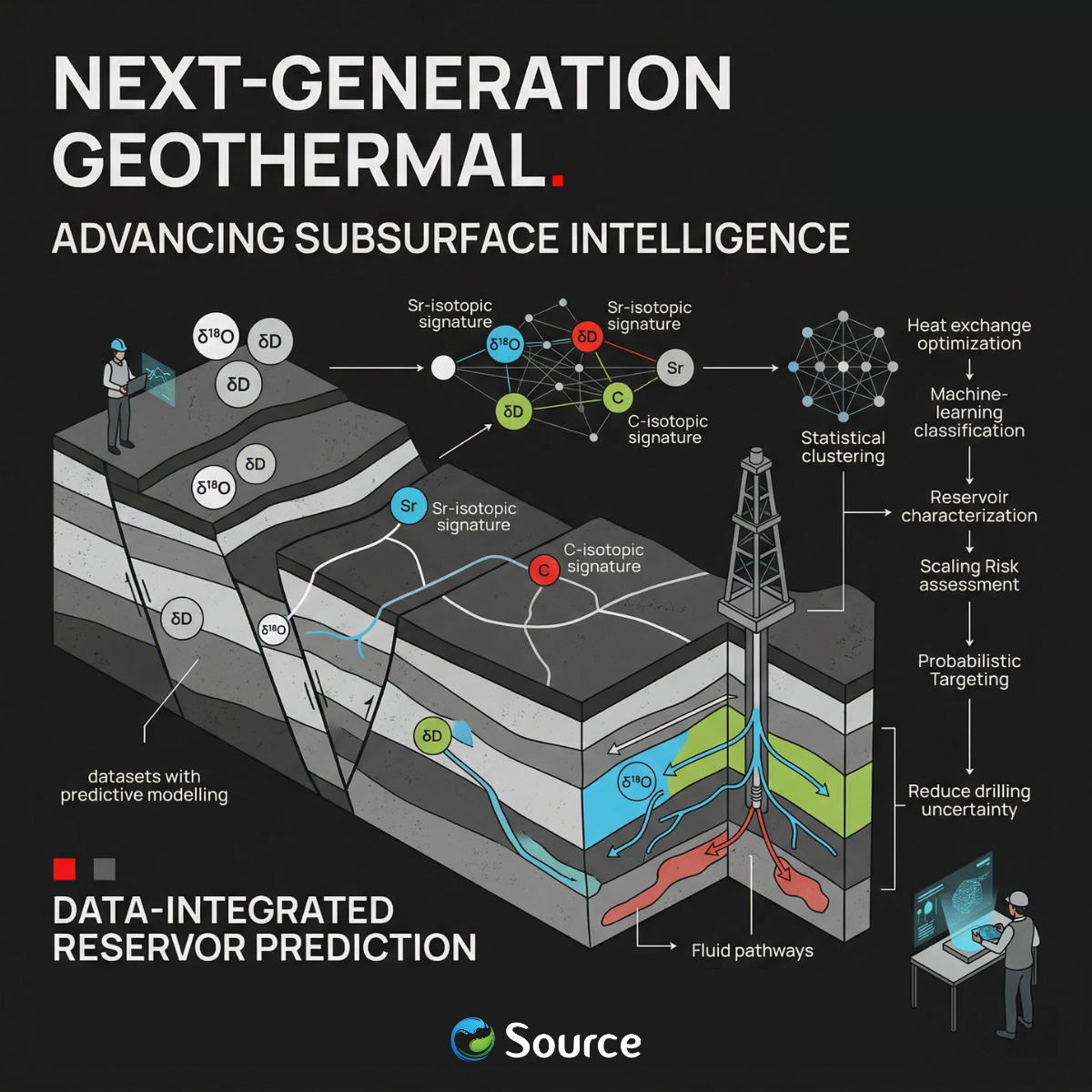
The distribution of global spending remains broadly consistent across the major cost components of geothermal projects: about 50 % toward surface facilities, roughly 47 % allocated to subsurface drilling and development, and approximately 2 % devoted to early exploration and pre-final investment decision activities, the latter representing a disproportionate share of project risk. Early subsurface assessment, though a small share of total capex, determines whether projects advance or are shelved, underscoring the value of improved exploration techniques and risk mitigation strategies.
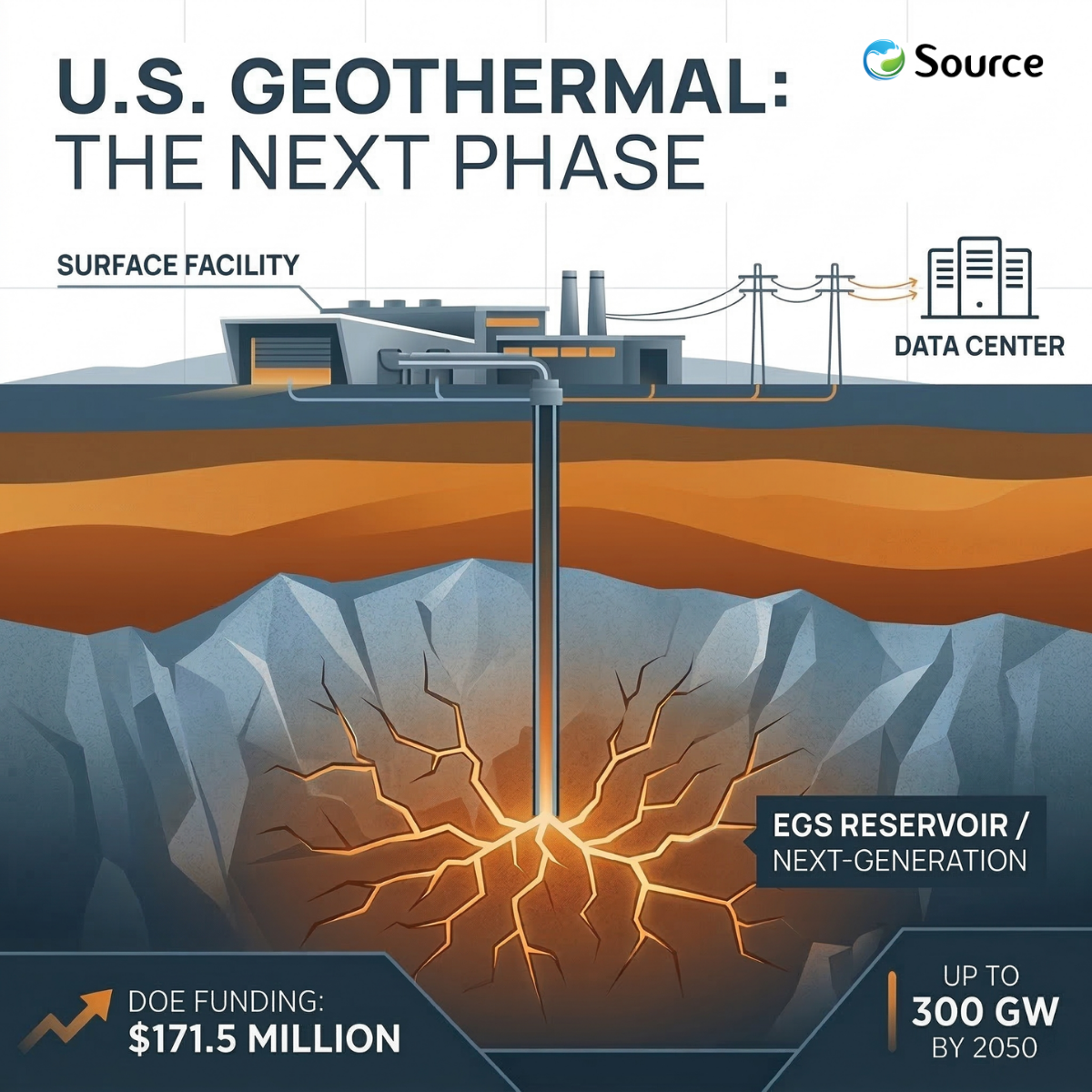
Regional dynamics are shaping distinct investment patterns. In Europe, geothermal capital is increasingly directed at district heating systems that help decarbonize municipal heat networks, driven by ambitious climate policies and urban sustainability goals. In contrast, Asia — notably Indonesia — and North America are prioritizing investments in electricity generation, leveraging geological resources and rising baseload demand, including for data-intensive industries. Enhanced Geothermal Systems (EGS) technologies are expanding this potential by enabling heat extraction from hot rock where traditional hydrothermal systems are absent.
Beyond power and heat, geothermal’s versatility is drawing attention in emerging applications. Pilot projects, including geothermal cooling for data centers, exemplify how subsurface energy can support complex energy ecosystems beyond conventional generation. As global investment scales and diverse technologies mature, analysts suggest geothermal could play a foundational role in the clean-energy transition while providing reliable, distributed energy solutions across continents.
Article: Rystad Energy analysis on geothermal investment growth through 2030. Energy Central
#SourceGeothermal #GeothermalInvesting #CleanEnergy #BaseloadPower #EnergyTransition