Geothermal funding is entering a period in which public and private capital will increasingly reinforce each other, but only for projects that can prove performance, according to a forward-looking analysis from Alphaxioms.
The United States remains the largest public backer of next-generation geothermal. The U.S. Department of Energy announced a funding opportunity of up to US$171.5 million for field tests, exploration, resource characterization and confirmation drilling, and in September 2026 selected 21 projects for up to US$99 million in drilling and technology development.
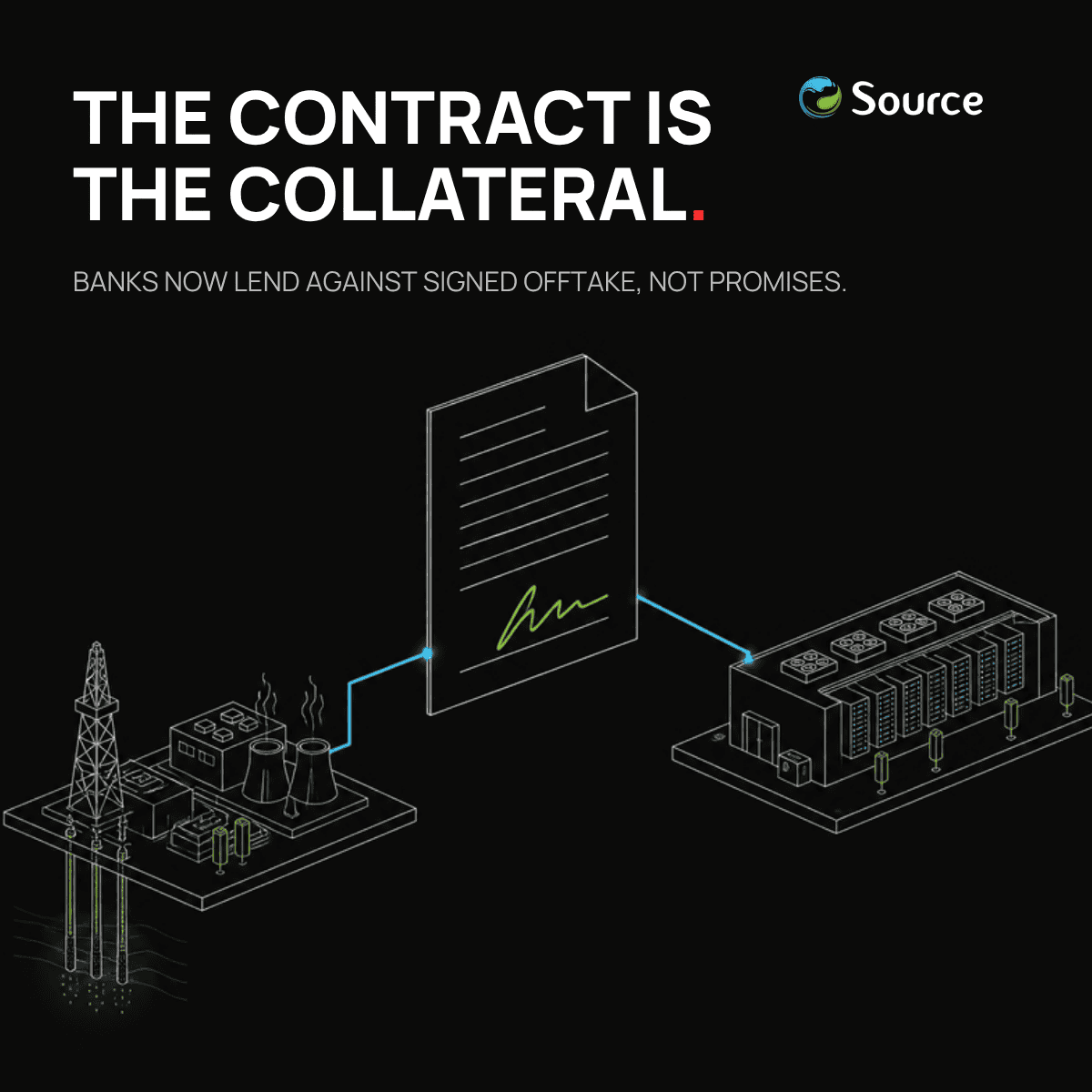
The analysis argues that the pattern is now established: public money reduces early-stage technical and geological risk, while private capital finances projects that demonstrate a stronger probability of commercial success. Funding will increasingly be tied to measurable milestones such as successful wells, reservoir performance, drilling-cost reductions, environmental approvals and signed offtake.
Corporate power-purchase agreements are singled out as the most important development. Fervo Energy’s 396 MW agreement with Google for its Cape Station project in Utah, with contracted capacity expected from 2028, shows how a large technology company can convert a high-risk energy technology into a contracted infrastructure asset. Data centres are the natural anchor customer because AI computing requires electricity that is reliable around the clock.
Closed-loop systems are expected to attract growing attention, particularly where naturally permeable reservoirs do not exist. The analysis notes that the most attractive early closed-loop projects may target direct heat and cooling rather than electricity, because thermal applications avoid some of the efficiency losses of power conversion.
By 2028, the market is expected to divide into three tiers: conventional projects with proven resources that can access debt easily, advanced projects with commercial demonstrations and signed PPAs that attract strategic investors, and early-stage companies still dependent on venture capital and grants.
Source Geothermal sees the same dividing line in the Gulf. Saudi Arabia and the UAE have the capital, land and computing demand. The projects that will finance are those that pair a validated subsurface resource with a creditworthy hyperscaler contract for both power and cooling.
Source: Alphaxioms, Robert Buluma, “Geothermal Funding, August–September 2027, With Intelligence Into 2028,” September 27, 2026.